
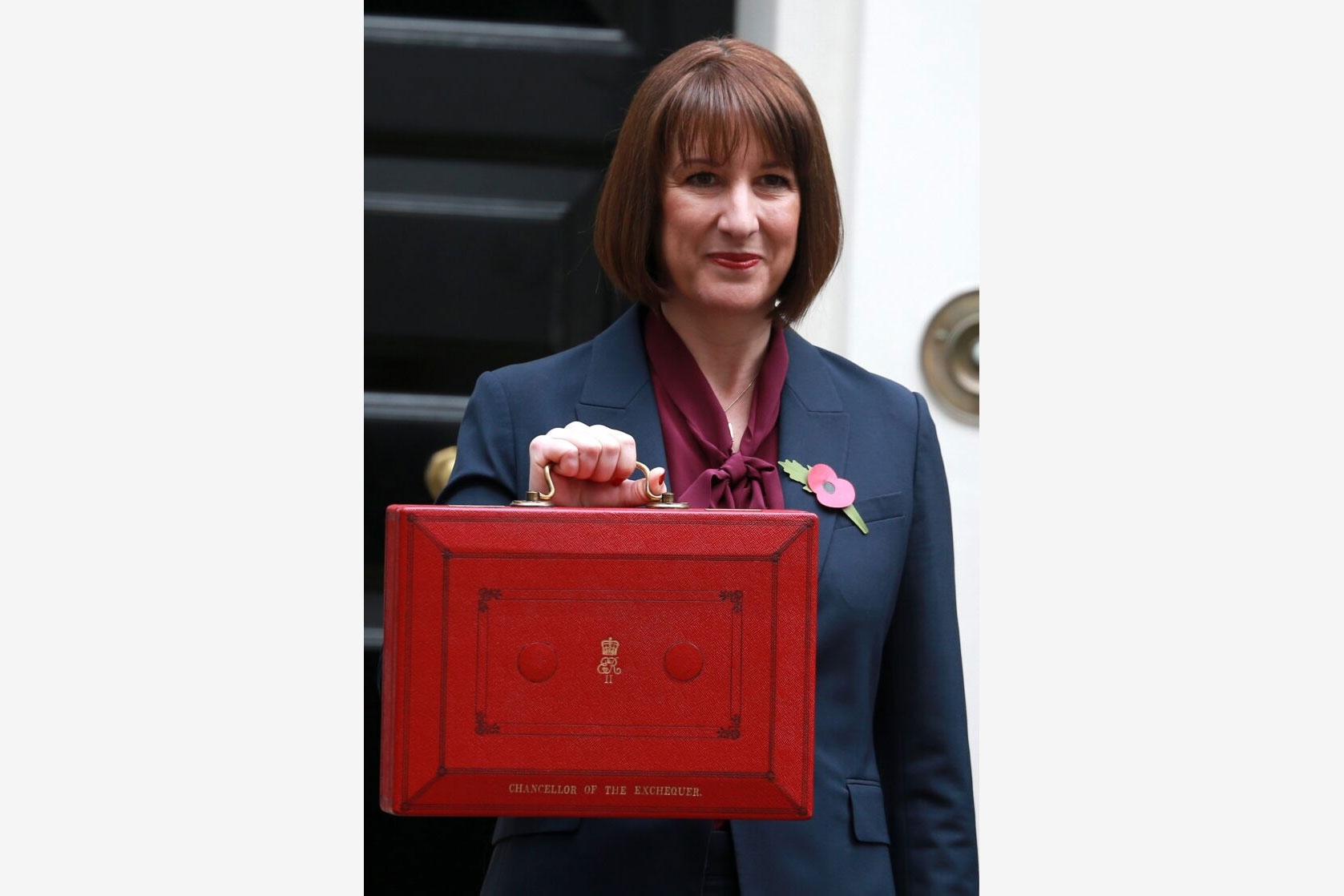


On 30th October 2024, Chancellor Rachel Reeves delivered the Autumn Budget 2024.
This is an historic moment, as it’s the first time a woman has presented the Autumn Budget and the first Labour budget in over 14 years.
The changes she announced will affect businesses across the UK, especially small businesses that make up a large part of the UK’s workforce.
But how will these changes impact UK businesses? We’ve summarised the main changes you need to know about.
The Significance of the Autumn Budget 2024
In addition to the historic relevance of the budget, the government has committed to increase spending by approximately 2% of GDP annually over the next five years. It’s key that businesses prepare for both the benefits and costs of these changes.
The response from people and employment law professionals has been loud and clear, reflecting concerns about the rising costs businesses will face. The proposed changes come alongside the anticipated Employment Rights Bill, which aims to improve working conditions for employees but will also place additional financial burdens on businesses. The Chancellor acknowledged that while these changes are intended as investments for long-term growth, they may lead to tougher times for employers who must absorb these costs.
Key Changes Announced
1. National Insurance Contributions Increase
From 6th April 2025, employers will see a rise in National Insurance contributions from 13.8% to 15%. Plus, the threshold for NIC liability will be lowered from £9,100 to £5,000.
This is a significant increase and is expected to generate an additional £25 billion for the government annually. For businesses, this translates to about £940 extra per employee, per year, based on the UK average salary.
Impact on Businesses
This change means many businesses will be required to pay NICs on a larger portion of their payroll, increasing the cost of employment. Whilst small businesses will benefit from an increase in the Employment Allowance, which will double from £5,000 to £10,600, sectors that employ a significant number of lower-paid workers (such as hospitality and care) may find it challenging to offset these costs fully.
2. Minimum Wage Increase
In a move designed to uplift low-income workers, the National Living Wage will rise by 6.7% to £12.21 per hour on 6th April 2025. For younger workers, the increase is even more pronounced, exceeding 16% for those under 21, jumping from £8.60 to £10.
Impact on Businesses
This increase follows a substantial rise implemented in April 2024, significantly impacting employers in sectors reliant on entry-level positions. Businesses and people professionals will need to think about the operational adjustments linked to the increases (we’re talking payroll processing and employee retention strategies).
3. Workforce Development Funding
The government is launching the “Get Britain Working” initiative, which will invest £240 million to support workforce development. This programme focuses on upskilling disabled individuals and those with long-term health conditions, providing an opportunity for businesses to enhance their workforce.
Impact on Businesses
The initiative could be a great opportunity for organisations to broaden their talent pools and, of course, build on inclusive hiring practices. Access to subsidised training programmes could help bridge skill gaps and strengthen overall workforce.
Is This Good or Bad for Employers?
So far, the response from employers regarding these changes is mixed. A summary of views is below.
Challenges
- The rise in NIC and minimum wage rates raises the cost of doing business. Sectors with high numbers of lower-paid employees, such as retail, hospitality, and care, will feel the pinch the most. Many businesses may struggle to absorb the extra costs, potentially leading to higher prices for consumers or cuts in staff, benefits and a freeze on salary increases.
- As pay rates go up, it can get tricky to keep salary differences within organisations. When managers are only making a bit more than their team members, it can create challenges in hiring and keeping staff, especially in industries where profit margins are tight and turnover is common.
Opportunities
- The increase in the Employment Allowance could significantly reduce NIC costs for small businesses. This relief means many small organisations can avoid additional contributions.
- The “Get Britain Working” initiative aims to tackle skill shortages (and bring those who may not be able to access work, back into the workforce). This means businesses will not only enhance productivity but also contribute to a more inclusive job market.
Lucy’s Insights
“While I appreciate the Government’s good intentions, the truth is that many employers are feeling overwhelmed by how quickly things are changing. The jumps in National Living Wage and National Insurance contributions are huge, especially after the big increases we’ve already seen this year. Plus, now we have to tackle new employment reforms such as Day one rights to unfair dismissal, which just adds to the stress for businesses.” Lucy Fitzgerald, CEO and Founder.
Conclusion
The Autumn Budget 2024 is a mixed bag. Whilst there are lots of positive changes for employees, some of these changes could pose significant challenges for employers. As Lucy says, when you look at these changes alongside the anticipated legislative changes from the Employment Rights Bill, employers have a busy time ahead keeping up with everything in the world of employment law.
How we can help
If you have any questions about these changes, call our friendly team on 0330 223 5253 or email us at communications@fitzgeraldhr.co.uk.
Further reading
If you enjoyed this article, take a look at these: